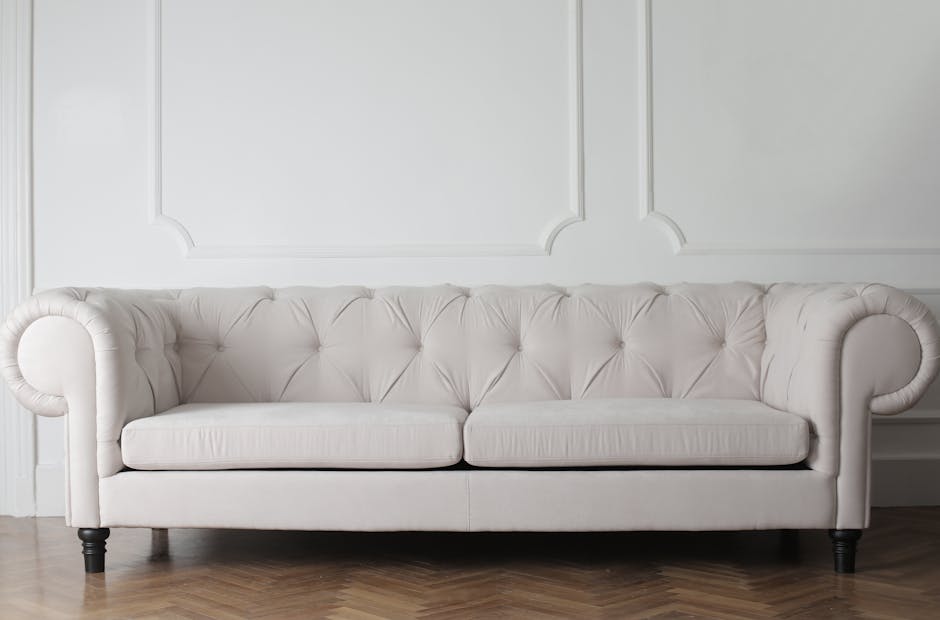
Warwick Road Earls Court upholstery cleaning guide for residents

If you live on or near Warwick Road in Earls Court, you already know how quickly everyday life shows up on a sofa, dining chair, or armchair. A bit of rain, a coffee spill, pet hair, bus dust drifting in through the window, and suddenly the fabric doesn't look quite right. This Warwick Road Earls Court upholstery cleaning guide for residents is here to make the whole thing feel less daunting and a lot more practical.
Whether you want to freshen up a favourite chair, remove an old stain, or simply keep your home feeling cleaner between professional visits, the right approach matters. Upholstery is more delicate than it looks. Clean it badly and you can flatten fibres, leave tide marks, or set a stain permanently. Clean it well and you get back comfort, colour, and that proper lived-in-but-cared-for feel. Let's get into it.
Why Warwick Road Earls Court upholstery cleaning guide for residents Matters
Upholstery is one of those things you stop noticing until it starts looking tired. In a busy London flat or house share, fabric furniture takes on a lot more than people realise. Skin oils, crumbs, tracked-in dirt, pollen, cooking smells, and the occasional splash all work their way into the fibres. On a road like Warwick Road, where homes can see plenty of foot traffic and a mix of old and newer interiors, furniture often needs more attention than a quick hoover.
There's also the matter of comfort. A clean sofa feels different. It smells fresher, looks lighter, and somehow makes the whole room feel more sorted. That's not just cosmetic, either. Regular upholstery care can help reduce the build-up of dust and allergens, especially on seating that gets used every day. If you've got children, pets, or guests coming and going, the difference is obvious pretty quickly.
Another reason this matters is fabric protection. Stains are much easier to manage early. Once a drink dries into a woven armrest or a greasy mark spreads into the cushion filling, you're dealing with a harder job. A sensible cleaning routine saves time later. Truth be told, waiting usually costs more in the end.
If you're already looking at other fabric care options, it can help to understand the broader service picture too. Some homes benefit from professional sofa cleaning, while others need a mix of curtain cleaning, rug cleaning, or even mattress cleaning to make the whole property feel refreshed.
How Warwick Road Earls Court upholstery cleaning guide for residents Works
At its core, upholstery cleaning is a mix of inspection, fibre-safe product selection, controlled moisture, and proper drying. That sounds straightforward, but the details matter. Different fabrics react differently to water, heat, agitation, and detergents. A cotton blend on one sofa can behave very differently from a synthetic weave or a velvet-style material. This is why a one-size-fits-all method is usually a bad idea.
The process normally begins with identifying the fabric type and checking for care labels. Those labels are there for a reason, even if they feel annoyingly small and tucked away. From there, the cleaner looks at the level of soiling, the stain types, and the construction of the furniture. Loose cushion? Fixed back? Deep buttons? Fragile piping? All of it changes the approach.
For residents, the main methods usually fall into three broad categories: low-moisture cleaning, hot water extraction for suitable fabrics, and specialist spot treatment for stains and odours. Some pieces also need pre-vacuuming and dry soil removal before any liquid touches the surface. That part is easy to skip, but it makes a real difference.
A practical clean is never just about the visible stain. It's about restoring the feel of the fabric without over-wetting the filling underneath. That's where experience helps. Too much water can leave long drying times and musty smells, which nobody wants in a compact Earls Court living room on a damp afternoon.
Key Benefits and Practical Advantages
There are the obvious benefits, and then there are the ones you only notice once the work is done.
- Freshens the room: Upholstery holds onto odours from cooking, pets, and day-to-day life. Cleaning helps remove that stale, lived-in smell.
- Improves appearance: Fabric can brighten noticeably once body oils and grime are lifted.
- Supports longer furniture life: Dirt acts like grit. Over time it wears fibres down.
- Makes spot cleaning easier later: A cleaner baseline means future accidents are less likely to stick.
- Helps with a healthier-feeling home: While not a medical claim, cleaner upholstery can reduce visible dust and help the home feel fresher overall.
There's also a psychological benefit, oddly enough. People tend to relax more in a clean room. A sofa that looks cared for makes a flat feel more orderly, even if the kitchen drawer is still chaotic. We all have one. Probably two.
If you rent, this can be especially useful before inspections, the end of a tenancy, or when you simply want to leave the place in better shape than you found it. For homeowners, it is often part of seasonal maintenance, a spring reset, or pre-guest prep. Nothing dramatic. Just sensible.
Who This Is For and When It Makes Sense
This guide is for residents who want a realistic, no-nonsense approach to upholstery care on Warwick Road and nearby Earls Court streets. It suits people living in compact flats, family homes, shared houses, and period properties with mixed furniture types.
You'll probably benefit most from a proper upholstery clean if you:
- use your sofa daily and can see visible dulling or marks
- have pets that sit on fabric furniture
- notice smells lingering in cushions or armrests
- have moved into a new property and want a fresh start
- are preparing for visitors, tenants, or an end-of-tenancy handover
- have accidental spills that didn't fully come out with home cleaning
It also makes sense if you've already tried gentle home cleaning and the results are patchy. A slightly soggy patch around a stain, or a line where the fabric dried unevenly, is usually a sign you need a more controlled method. Happens all the time.
If the furniture is especially valuable, antique, silk-based, or unusually delicate, it's worth being cautious and considering a specialist approach rather than a standard all-purpose clean.
Step-by-Step Guidance
Here's a practical way to think about upholstery cleaning without turning it into a science project.
- Check the care label. Look for cleaning codes or manufacturer notes. If the label says the fabric is water-sensitive, don't ignore it.
- Vacuum thoroughly. Use a soft upholstery attachment and work into seams, corners, and under cushions. This removes dry soil first.
- Test a small hidden area. Try any product in a discreet spot. Wait for it to dry so you can see the real result.
- Treat stains carefully. Blot, don't rub. Work from the outside of the stain inward to reduce spreading.
- Apply the chosen cleaning method. Use low-moisture products for delicate items or extraction methods only where suitable.
- Control the moisture. Less is usually better. Over-wetting is one of the quickest ways to create problems.
- Dry properly. Open windows if weather allows, use ventilation, and keep cushions separated so air can move around them.
- Inspect once dry. Check for remaining marks, rings, or rough patches. A second light pass may be needed.
If you are cleaning a sofa in a London flat with limited airflow, drying is often the part people underestimate. It might look fine after two hours and still be damp at the base. Give it time. No heroics.
Expert summary: Good upholstery cleaning is mostly about restraint. Use the least aggressive method that still removes the soil. That simple rule prevents a lot of expensive mistakes.
Expert Tips for Better Results
Small adjustments can make a noticeable difference, especially on everyday furniture that gets constant use.
- Vacuum before you spot-treat. Otherwise you can turn loose dust into a muddy paste.
- Work in sections. Large cushions and long sofa arms are easier to manage in small areas.
- Use white cloths for blotting. Coloured cloths can transfer dye, and that's a nasty surprise.
- Keep an eye on cushion edges. They dry differently from flat panels.
- Rotate cushions after cleaning. This helps them dry evenly and keeps wear balanced.
- Address spills quickly. The first 10 minutes matter far more than people think.
One detail that gets overlooked a lot: lighting. Check upholstery in daylight if you can, or under a bright lamp later in the day. Marks that seem gone under warm evening light sometimes show up again in the morning. Sneaky, but true.
If you're dealing with stubborn odour or pet-related issues, the work is often more than a basic surface clean. In those cases, a more focused approach such as pet stain and odour removal can be more suitable than trying the same product over and over.
Common Mistakes to Avoid
A lot of upholstery damage comes from well-meaning but overconfident cleaning. Easy to do. Hard to undo.
- Rubbing stains aggressively: This can spread the mark and rough up fibres.
- Using too much detergent: Residue attracts more dirt later, which is frustrating and avoidable.
- Soaking the fabric: Deep moisture can seep into padding and create odours or longer drying times.
- Ignoring the care code: That little label can save you from a very expensive mistake.
- Mixing cleaning products: Never combine products unless you know exactly what they contain.
- Cleaning only the stain: You can end up with a clean patch surrounded by a dirty halo. Not ideal.
Another common issue is trying to fix a stain three or four times in the same hour. After a point, you are not cleaning. You are simply working the stain deeper into the fabric. Better to pause, let the area dry, and reassess.
Tools, Resources and Recommendations
You do not need a van full of kit to keep upholstery in decent condition. For most residents, the essentials are simple:
- a vacuum with an upholstery attachment
- clean white microfibre cloths
- a soft brush for dry debris
- a fabric-safe spot cleaner suitable for your upholstery type
- fans or good natural ventilation for drying
- a small notebook or phone note for tracking which products were used on which item
That last one sounds fussy, but it helps. If you clean several pieces over a few months, it is easy to forget what worked on the dining chair and what left a slight sheen on the ottoman.
For wider home care, it can be useful to think beyond the sofa. Curtains, rugs, carpets, and mattresses all share dust, odour, and wear concerns. A coordinated approach keeps the home feeling fresher overall, and it can be more efficient than treating each item as a separate emergency. For example, residents often pair upholstery care with carpet cleaning or steam carpet cleaning to refresh the main living areas at the same time.
If you're trying to decide what to book first, start with the item that affects the room most visually or hygienically. Usually that is the sofa, but not always. Sometimes a dining chair set or a well-used rug takes the crown without asking permission.
Law, Compliance, Standards, or Best Practice
For home upholstery cleaning, there is usually no special legal process that residents need to follow in normal day-to-day use. The main point is to use products and methods safely, read labels carefully, and avoid causing damage to furniture or surrounding surfaces. If a property is rented, it is sensible to keep cleaning reasonable, document any major issues, and check tenancy expectations where relevant.
From a best-practice angle, good providers should be clear about their process, what they can and cannot treat, and how they handle fragile fabrics. Insurance, safety awareness, and clear communication matter here. If you are using a professional service, it is fair to ask about access, drying times, and how they reduce risk to floors and fixtures.
Some residents also care about payment safety and privacy when booking services online, which is perfectly sensible. A reputable provider should be straightforward about secure transactions, complaint handling, and how personal details are used. It is not glamorous, but it does build trust.
For a useful example of service information and operational expectations, you can review the company's insurance and safety, health and safety policy, and terms and conditions pages.
Options, Methods, or Comparison Table
Not every upholstery item needs the same treatment. The right method depends on fabric type, condition, stain severity, and drying space. Here is a simple comparison to help you decide.
| Method | Best for | Strengths | Limitations |
|---|---|---|---|
| Vacuuming and dry care | Routine maintenance | Quick, low risk, removes loose dust and crumbs | Will not remove embedded stains or odours |
| Spot cleaning | Small fresh spills | Targeted, affordable, easy for residents to manage | Can leave rings or spread marks if overused |
| Low-moisture fabric cleaning | Delicate or water-sensitive upholstery | Reduces drying time and risk of over-wetting | May be less effective on heavy soiling |
| Hot water extraction, where suitable | Heavily used synthetic fabrics | Deep clean potential, good soil removal | Requires careful technique and longer drying |
| Specialist stain and odour treatment | Pet accidents, food spills, problem areas | Focused approach for stubborn issues | May need multiple stages or professional judgement |
A practical rule of thumb: if the fabric is delicate or you are unsure, choose the gentler option first. If the item is robust and heavily used, a deeper clean may be more appropriate. That said, guessing is not the same as knowing. If in doubt, better to ask than to improvise.
Case Study or Real-World Example
Picture a typical Earls Court flat near Warwick Road. A resident has a two-seater fabric sofa in the living room, a couple of dining chairs, and one armchair by the window that gets the best light in the flat. Over time, the sofa arms start to darken from daily use. There is also a small tea mark near one cushion seam and a faint smell from a pet blanket that used to live there permanently. You know the type.
The first step is a proper vacuum, especially along seams and under the cushions. The tea mark needs a gentle stain treatment, not a blast of product. The arm areas are cleaned in a controlled way to remove body oils without leaving a wet outline. The pet odour issue gets separate attention rather than being buried under perfume-heavy spray, which would only mask the problem for a day or two.
What tends to surprise people most in situations like this is not the stain itself. It is how much lighter the room feels once the upholstery is clean. The sofa looks better, the armchair reads as a proper feature again, and the whole flat feels more cared for. Small win, but a real one.
Where the home has multiple fabric surfaces, a combined visit can make sense. Residents often look at upholstery cleaning alongside curtain cleaning or rug cleaning to avoid doing the same sort of disruption three different times.
Practical Checklist
Use this before you clean, or before you book a professional service.
- Identify the fabric type and check the care label
- Vacuum cushions, seams, and hidden edges first
- Test any product in an unseen area
- Confirm whether the stain is fresh, greasy, protein-based, or odour-related
- Protect nearby flooring and woodwork
- Use only as much moisture as the fabric can handle
- Allow enough drying time before sitting on the furniture again
- Keep pets and children away while the upholstery dries
- Inspect for rings, residue, or uneven texture once dry
- Decide whether a deeper clean or specialist treatment is needed
Quick takeaway: If you remember nothing else, remember this - clean gently, dry properly, and never assume every fabric behaves the same. That alone prevents a lot of trouble.
Conclusion
Upholstery cleaning on Warwick Road is less about perfection and more about sensible upkeep. A good routine keeps furniture looking presentable, helps your home feel fresher, and protects the pieces you use every day. The best results usually come from matching the method to the fabric, dealing with spills early, and avoiding the classic over-wetting mistake.
If you are a resident in Earls Court and your sofa, chairs, or other fabric furnishings need a proper refresh, the safest move is to choose a method that fits the material rather than forcing a one-size-fits-all fix. That is the difference between a quick patch-up and a clean you can actually feel good about.
And honestly, a fresher living room can change the mood of a whole evening. Sometimes it is the little domestic wins that make the biggest difference.
Get a free quote today and see how much you can save.
To learn more about the company behind these services, you can also visit the about us page or review their pricing and quotes information when you are ready to plan the job properly.
Frequently Asked Questions
How often should residents on Warwick Road clean upholstery?
For everyday-use sofas and chairs, a light maintenance routine should happen regularly, with deeper cleaning scheduled as needed based on wear, pets, children, and how much traffic the room gets. Busy homes usually need attention sooner than quiet ones.
Can I clean upholstery myself or should I hire a professional?
You can manage light vacuuming and some small fresh spills yourself if the fabric allows it. For delicate materials, older furniture, strong odours, or stubborn stains, a professional approach is often safer and more effective.
What is the biggest mistake people make with upholstery cleaning?
Over-wetting is probably the most common one. People also rub stains too hard, use too much product, or ignore the care label. Any of those can leave the furniture looking worse than before.
How long does upholstery take to dry?
Drying time depends on the method, fabric type, room ventilation, and how much moisture was used. In a small London flat, airflow can be the deciding factor. Good ventilation matters a lot.
Will upholstery cleaning remove pet smells?
It can help significantly, especially if the smell is coming from the fabric surface or recent accidents. If the odour has soaked deeper into the filling, a more targeted treatment may be needed.
Is steam cleaning safe for all upholstery?
No, not all upholstery is suitable for steam or hot water extraction. Some fabrics are water-sensitive and need a gentler low-moisture method. Always check the care label first.
What should I do if a stain has already dried?
Do not scrub it aggressively. Check the fabric type, test a small area, and use a suitable stain treatment in a controlled way. Dried stains are harder, but not always impossible.
Can upholstery cleaning help if I am moving out?
Yes, it can be a smart part of a move-out clean, especially if the furniture is staying or if the property needs to be left in tidy condition. It is one of those things tenants often wish they had done earlier.
How do I know if my sofa needs professional cleaning?
If the sofa looks dull, has visible marks, smells stale, or feels sticky or tired even after vacuuming, that is usually a sign a deeper clean would help. If it has not been professionally cleaned in a long time, that's another clue.
What other household items are worth cleaning at the same time?
Curtains, rugs, carpets, and mattresses often benefit from a combined clean because they hold similar dust and odour build-up. Pairing services can make the home feel fresher all at once rather than in fragments.
Does upholstery cleaning damage fabric?
It should not if the right method is used for the right material. Damage usually comes from unsuitable products, too much moisture, or incorrect technique. That is why inspection and testing are so important.
How can I keep upholstery cleaner for longer?
Vacuum regularly, treat spills quickly, rotate cushions if possible, and avoid eating or drinking on the most delicate pieces if you can help it. Not always realistic, of course, but even small habits make a difference.