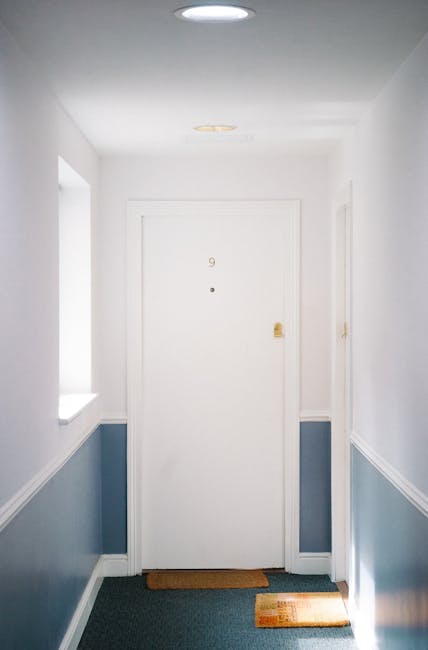
Earls Court Road carpet cleaning guide for flats
If you live in a flat near Earls Court Road, carpet cleaning is rarely as simple as "book a cleaner and wait by the kettle." There are stairs, shared hallways, noise concerns, drying time, furniture to move, and the usual reality of London flat life: limited space and very little patience for soggy carpets. This Earls Court Road carpet cleaning guide for flats walks you through what matters, how the process works, and how to avoid the little mistakes that turn a straightforward job into a bit of a headache.
Whether you are dealing with day-to-day dust, post-party spillages, pet odours, or end-of-tenancy wear, the goal is the same: get the carpet properly cleaned without disrupting neighbours or damaging the flooring underneath. Let's make it practical, not preachy.
Contents
- Why this matters in flats on Earls Court Road
- How carpet cleaning works in a flat
- Key benefits and practical advantages
- Who needs this guide and when it makes sense
- Step-by-step guidance for flat carpet cleaning
- Expert tips for better results
- Common mistakes to avoid
- Tools, resources and recommendations
- Law, compliance, standards and best practice
- Options, methods and comparison table
- Case study / real-world example
- Practical checklist
- Conclusion
- Frequently asked questions
Why Earls Court Road carpet cleaning guide for flats Matters
Flat carpets take more punishment than people sometimes realise. In a house, dirt may spread out over more space. In a flat, it tends to concentrate in high-traffic paths: the bit from the door to the sofa, the corridor into the bedroom, the small patch by the bed where you always stand half-asleep. Add London footfall, weather, shared entrances, and the odd wet umbrella, and carpet fibres can start to look tired quite quickly.
On Earls Court Road, many flats are in older buildings or converted properties, which often means a mix of carpet types, variable underlay quality, and tricky access. Some homes have tight stairwells, some have lifts that are more "aspirational" than spacious, and some have neighbours who will absolutely hear the vacuum if you start at 7am. A good plan matters.
This is also about protecting the carpet itself. A quick surface clean can make a room look better for a day or two, but grime trapped near the backing can keep returning, especially if the carpet is used heavily or has had spillages left too long. Deep carpet cleaning, done sensibly, helps lift embedded dirt, refresh fibres, and reduce lingering smells. Truth be told, it often changes the feel of a flat more than people expect.
If you are comparing professional options, it can help to understand the wider service picture too. For example, some people pair carpet work with steam carpet cleaning, or look at related services like stain removal when one stubborn mark is the real problem rather than the whole room. That little bit of planning saves money and time.
How Earls Court Road carpet cleaning guide for flats Works
At its simplest, flat carpet cleaning is a process of loosening soil, lifting it out, and then drying the carpet as efficiently as possible. The method used depends on the fibre, the carpet construction, the type of staining, and how much moisture the building can comfortably handle.
Most professional jobs start with inspection. That means checking the fibre type, looking for worn patches, testing problem areas, and spotting risks such as loose seams or water-sensitive materials. A cleaner who skips this stage is basically guessing, and carpets do not reward guessing.
Then comes preparation. Furniture may need moving, fragile items need to be cleared, and access routes should be protected. In a flat, this stage is often more important than in a bigger property because there is less room to work and less room to dry things out if something goes wrong.
The cleaning itself may involve hot water extraction, low-moisture treatment, or targeted spot treatment. After that, drying begins. Fans, ventilation, and sensible temperature control matter. On a rainy London day, drying can feel slower than you'd like. It's normal. The key is making sure the carpet is left as dry as possible and not walked on too soon.
For readers wanting a broader service overview, the general carpet cleaning page is useful background, especially if you are deciding between a one-off clean and a more regular maintenance approach.
Key Benefits and Practical Advantages
A proper carpet clean is not just about making the room look brighter, though that is nice. It has a few very practical advantages for flat living.
- Cleaner appearance: High-traffic tracks and dull patches usually improve noticeably.
- Better day-to-day hygiene: Dust, crumbs, hair, and fine debris are removed more effectively than by vacuuming alone.
- Reduced odours: Useful where cooking smells, pets, damp shoes, or old spillages have settled in.
- Longer carpet life: Embedded grit can abrade fibres over time, so removing it matters.
- Improved rental presentation: Especially helpful for tenants preparing for inventory checks or move-out inspections.
- More comfortable rooms: Fresh carpet changes how a flat feels underfoot and in the air. A small thing, but not really small.
Another quiet benefit is that a deep clean can reveal problems early. Stains that looked harmless may turn out to be recurring moisture issues, and worn seams or hidden damage become easier to spot before they worsen. That kind of early visibility is useful whether you own the flat or rent it.
If the smell issue is specific, such as cat urine or dog accidents, targeted treatment through pet stain odour removal can be more effective than a general clean alone. One size does not fit all. Wouldn't it be nice if it did? But alas, carpets are stubborn little things.
Who This Is For and When It Makes Sense
This guide is for anyone in a flat on or around Earls Court Road who wants a cleaner, healthier, less embarrassing carpet situation. That includes:
- Renters preparing for the end of a tenancy or trying to restore a tired living room.
- Leaseholders and owners who want to keep a flat looking cared for between bigger refreshes.
- Pet owners dealing with regular shedding, muddy paws, or the occasional accident.
- Families with children, especially where spills and crumbs are part of everyday life.
- Hosts or short-let operators who need the flat to look and smell clean quickly between bookings.
- Anyone with allergies or sensitivity who wants to reduce dust and trapped debris, while staying within sensible expectations.
It makes sense to book a carpet clean when the carpet looks dull, feels sticky, smells a bit stale, or has noticeable stains. It also makes sense after home improvements, winter weather, or a period of heavy use. Sometimes the carpet itself is not "dirty" in the dramatic sense; it's just carrying enough old residue to make the whole flat feel less fresh.
If the flat has more than one soft furnishing issue, it can also be practical to bundle work. For instance, a living room refresh might include a sofa clean or upholstery cleaning, which helps the whole room look balanced rather than just "carpet nice, sofa not so much."
Step-by-Step Guidance
Here is a sensible, no-nonsense way to approach carpet cleaning in a flat.
- Identify the carpet type and main issue. Is it general dirt, a spill, pet odour, or flattened traffic lanes? Different problems call for different treatment.
- Check access and building rules. Think about parking, lift use, stair access, visitor entry, and any quiet hours that could matter in a block.
- Clear the area as much as you can. Move small objects, ornaments, baskets, and anything breakable. Do not leave the cleaner to play furniture Tetris if it can be avoided.
- Vacuum thoroughly. A good pre-vacuum removes loose grit and makes the deep clean more effective.
- Spot treat the problem areas. Stains usually need pre-treatment rather than brute force. Rubbing them hard rarely helps. In fact, it often makes a tidy mess worse.
- Use the right cleaning method. Hot water extraction is common for many carpets, but low-moisture methods may be better in flats where drying time is a major concern.
- Control moisture carefully. In flats, over-wetting is one of the biggest avoidable mistakes. The carpet should be cleaned thoroughly, not soaked.
- Ventilate properly during drying. Open windows if practical, use airflow where possible, and avoid walking on the carpet too soon.
- Inspect the result. Look for residual marks, wicking, or damp patches. If a stain reappears after drying, it may need a second targeted treatment.
- Protect the carpet after cleaning. Use entrance mats, remove shoes where possible, and vacuum regularly to keep the result going longer.
A useful little rule: if you can smell damp for more than you expect, drying needs more attention. The carpet may look fine at first glance, but a lingering smell is a clue. Always trust your nose. It's annoyingly good at this sort of thing.
Expert Tips for Better Results
In our experience, the best results in flats come from careful preparation and realistic expectations. A few small choices make a big difference.
- Deal with stains quickly. The sooner a spill is treated, the better the chance of lifting it cleanly.
- Blot, don't scrub. Scrubbing pushes grime deeper into the fibres and can damage the pile.
- Test products first. Even mild cleaning solutions can affect dyes or delicate fibres.
- Use mats at doors. Flats pick up outdoor dirt quickly, especially in wet weather.
- Choose the right timing. A weekday morning with decent ventilation can be better than a late afternoon clean when the flat will be closed up overnight.
- Be realistic about old stains. Some marks improve greatly, some fade, and some are permanent. Honest advice is worth more than a promise that sounds too neat.
- Keep an eye on furniture legs. Use pads or foil tabs if needed so damp carpet does not transfer marks upward.
If you are managing a whole-home refresh, related services such as rug cleaning or sofa cleaning can be worthwhile because they stop one clean element making the rest of the room look oddly out of place. The room should feel like one finished space, not a before-and-after collage.
Common Mistakes to Avoid
Most carpet problems in flats come from a handful of familiar errors. The good news is they're avoidable.
- Using too much water: Over-wetting leads to long drying times and can cause odours or wicking.
- Skipping vacuuming: Loose grit acts like sandpaper during cleaning and reduces the finish.
- Scrubbing stains aggressively: This can spread the mark and rough up the fibres.
- Ignoring the underlay and edges: Dirt often collects where the carpet meets skirting boards or under furniture.
- Forgetting building logistics: Noisy machines, blocked hallways, or awkward access can frustrate neighbours and slow the job down.
- Walking on the carpet too early: Even if it feels dry on top, there may still be moisture deeper down.
- Buying the cheapest service without checking details: Price matters, but so do equipment, insurance, and a clear cleaning plan.
One small but common slip: people often clean only the visible stain and then wonder why the surrounding area still looks tired. The surrounding fibres matter too. Dirt doesn't always arrive in tidy circles. It spreads like, well, life.
Tools, Resources and Recommendations
You do not need a room full of specialist kit to keep flat carpets in good shape, but a few basic tools help a lot.
- Vacuum cleaner with a decent brush head: The everyday foundation. If it barely picks up grit, everything else becomes harder.
- Microfibre cloths or white absorbent towels: Useful for blotting spills without leaving lint behind.
- Soft-bristled brush: Handy for gently lifting fibres before or after spot treatment.
- Appropriate carpet cleaning solution: Always suitable for the fibre and stain type, never guessed at random.
- Airflow aids: Openable windows, fans, or simply good cross-ventilation where the flat allows it.
- Protective pads for furniture: Useful after a clean when the carpet is still settling.
If you want to check service details before booking, pricing and quotes is a sensible place to understand how estimates are usually handled, while payment and security is helpful if you prefer to know how transactions are managed. A bit of clarity up front reduces that awkward "wait, what's included?" moment later.
For peace of mind on standards and care, it also helps to review insurance and safety and the company's health and safety policy. In a flat, safety is not a box to tick; it's part of whether the whole visit feels smooth or stressful.
Law, Compliance, Standards, or Best Practice
For flat owners and tenants in London, the practical side of carpet cleaning often sits more in the territory of contracts, building rules, and common-sense safety than dramatic legal complexity. Still, it pays to be careful.
If you are renting, check your tenancy terms before cleaning. Some agreements ask tenants to leave carpets professionally cleaned at the end of a tenancy, while others only require them to be returned in a reasonably clean condition. The wording matters, so do not assume. If in doubt, read the agreement properly or ask the agent for clarity.
In shared buildings, there may also be expectations around access, noise, waste disposal, and protecting communal areas. Keep hallways clear, avoid blocking fire exits, and make sure hoses or equipment do not create a trip hazard. That part is not glamorous, but it matters just as much as the finish on the carpet.
From a professional perspective, best practice usually includes proper identification of fibres, careful moisture control, suitable detergents, safe electrical use, and honest guidance about what a clean can and cannot achieve. That last one is important. The best operators are rarely the ones who promise miracles.
If sustainability is a concern, you may also want to look at a provider's approach to waste, chemicals, and water use. A page like recycling and sustainability can give you a clearer sense of how those issues are handled in everyday operations.
Options, Methods, or Comparison Table
Not every flat needs the same cleaning method. The right choice depends on carpet fibre, drying time, and the level of soiling. Here is a simple comparison.
| Method | Best for | Advantages | Trade-offs |
|---|---|---|---|
| Hot water extraction | Heavily soiled carpets, general deep cleaning | Strong soil removal, good for embedded dirt | Longer drying time, not ideal for every flat if ventilation is poor |
| Steam carpet cleaning | Many synthetic carpets and regular maintenance | Effective refresh, often a popular deep-clean option | Needs careful moisture management in apartments |
| Low-moisture cleaning | Flats with limited drying time or sensitive access | Faster drying, less disruption | May need more targeted follow-up for stubborn soil |
| Spot and stain treatment | Specific marks, localised spills | Focused, cost-efficient, useful as part of a wider clean | Not a substitute for full cleaning where grime is widespread |
There is no universal winner. A dry flat with good airflow can handle a more moisture-led method comfortably. A compact top-floor flat with one small window and a busy household may be better served by a lower-moisture plan. That's the sort of judgement call a decent cleaner should talk you through, not gloss over.
Case Study or Real-World Example
Here's a realistic flat scenario. A one-bedroom apartment off Earls Court Road has a hallway carpet that looks fine in evening light but dulls noticeably near the entrance and bedroom threshold. There is also a faint cooking smell and a couple of old tea marks near the sofa. Nothing dramatic, just the kind of wear that sneaks up on you.
The first step is identifying the fibre and checking whether the carpet has been cleaned recently. The cleaner vacuums thoroughly, pre-treats the tea marks, and works on the entrance lane where street dirt has been ground in over months. The living room carpet is treated separately because the room has more moisture sensitivity and less airflow than the hallway.
After cleaning, the carpet is left to dry with windows opened where practical, and furniture is kept off the damp fibres. By the next morning, the room feels calmer and less stale. Not shiny-new, because that would be silly to promise, but refreshed in a very visible way. The client notices the flat smells lighter first. Then they notice the carpet. Funny how that works.
If a room has both carpet and fabric furniture, pairing the job with mattress cleaning or a fabric-focused treatment can sometimes make sense too, especially in compact flats where odours travel easily between rooms.
Practical Checklist
Use this quick checklist before and after carpet cleaning in a flat.
- Identify the main carpet problem: dirt, stain, odour, wear, or all of the above.
- Check tenancy terms or building rules if relevant.
- Clear floors, side tables, and breakables from the work area.
- Vacuum thoroughly before cleaning.
- Confirm the cleaning method suits the fibre and the drying time available.
- Protect hallways, thresholds, and shared spaces during access.
- Ask how long the carpet should stay off-limits after cleaning.
- Make sure ventilation is planned, not improvised at the last minute.
- Inspect the carpet once it dries, not just while it is still damp.
- Keep a light maintenance routine going afterwards.
Expert summary: the best flat carpet cleaning is usually the one that balances cleaning power, drying time, building access, and fibre safety. If any one of those is ignored, the result tends to be a bit meh. Careful planning beats bravado every time.
Get a free quote today and see how much you can save.
Conclusion
Flat carpet cleaning on Earls Court Road is really about fitting a good clean into real London life. That means understanding access, noise, drying time, carpet fibre, and the quirks of shared living. It also means being realistic: some carpets bounce back beautifully, while others need a more targeted approach to look their best again.
If you remember nothing else, remember this: prepare properly, choose the right method, and do not rush the drying stage. That alone avoids a lot of frustration. And if you are dealing with stains, pet smells, or a room that just feels a bit worn down, it is worth acting sooner rather than later. Small problems are easier to fix than old ones.
For a company overview and wider service background, you may also find it helpful to look at the about us page, plus the practical details around terms and conditions and contact us when you are ready to talk through a job. A little clarity goes a long way, especially in flats.
In the end, a cleaner carpet is not just about appearance. It changes how the flat feels when you walk in at the end of the day. And honestly, that quiet sense of fresh space is worth a lot.
Frequently Asked Questions
How often should carpet cleaning be done in a flat?
For most flats, a professional clean every 6 to 12 months is a sensible rhythm, though high-traffic homes, pets, and young children can justify more frequent attention. If the carpet looks dull sooner, or starts holding odours, do not wait just for the calendar to say so.
Is steam cleaning safe for flat carpets?
It can be, provided the carpet fibre is suitable and the moisture level is controlled carefully. In flats, drying is the main issue, so ventilation and method choice matter as much as the cleaning itself.
Can carpet cleaning remove old stains completely?
Sometimes yes, sometimes partially, and sometimes not fully. Age, fibre type, previous DIY attempts, and the stain source all affect the outcome. A good cleaner should give a realistic view rather than promise perfection.
What is the best carpet cleaning method for a small flat?
That depends on the carpet and the amount of drying time you have. Low-moisture methods are often appealing in small flats, while hot water extraction may be better for deep soiling if ventilation is good.
How long does carpet cleaning take in a flat?
It varies with room size, access, furniture, and method. A one-bedroom flat can be quite straightforward, but drying time can extend the overall disruption. The clean itself may be quick; the drying is the part people underestimate.
Do I need to move furniture before a carpet cleaner arrives?
Moving smaller items is always helpful. Larger furniture may be moved by arrangement, but this should be agreed in advance so nothing gets damaged or forgotten. A clear room helps the job go smoother, no question.
Will carpet cleaning make my flat smell damp?
It should not if the method is correct and the carpet is dried properly. A brief damp smell may happen during the drying stage, but a lingering odour afterwards can mean the carpet was over-wet or ventilation was poor.
Is carpet cleaning worth it for rented flats?
Very often, yes. It can improve presentation, support end-of-tenancy expectations, and help a flat feel more cared for. Just make sure you understand your tenancy requirements before booking.
Can carpet cleaning help with pet odours in a flat?
Yes, especially if the odour is coming from the fibres or backing rather than the room more generally. Pet-related issues often need targeted treatment, not just a standard clean, so specialist odour removal can be the better choice.
What should I ask before booking a carpet cleaner for my flat?
Ask about the cleaning method, drying time, insurance, access requirements, stain treatment, and what is included in the quote. Those questions are simple, but they prevent most awkward surprises later.
Can I walk on the carpet straight after cleaning?
Usually not right away. Even if the surface feels fine, the carpet may still be damp underneath. Follow the cleaner's advice and keep foot traffic to a minimum until it is properly dry.
What if my flat has delicate or older carpet?
Older or delicate carpets need a gentler approach and a careful inspection first. Fibre testing, spot testing, and lower-moisture methods are often the safer route. Better to be cautious than sorry, especially with a carpet you would rather keep intact.